Trump-Biden transition: Attorney Sidney Powell back at White House Sunday

Powell has pushed Trump to issue an executive order to seize voting machines.

Last Updated: December 21, 2020, 10:34 AM EST

President Donald Trump is slated to hand over control of the White House to President-elect Joe Biden in 31 days.

Dec 17, 2020, 10:14 AM EST

Overview: Pence to campaign in Georgia, Biden meets with transition advisers

While Trump, once again, has no public appearances on his schedule for Thursday, his vice president is assuming the spotlight.

Ahead of being scheduled to receive the coronavirus vaccine publicly Friday, Vice President Mike Pence returns to Georgia on Thursday to stump for Republican Sens. Kelly Loeffler and David Perdue who are locked in runoff elections that will determine which party controls the U.S. Senate -- and Biden’s subsequent ability to pass the big ticket legislation he campaigned on. 
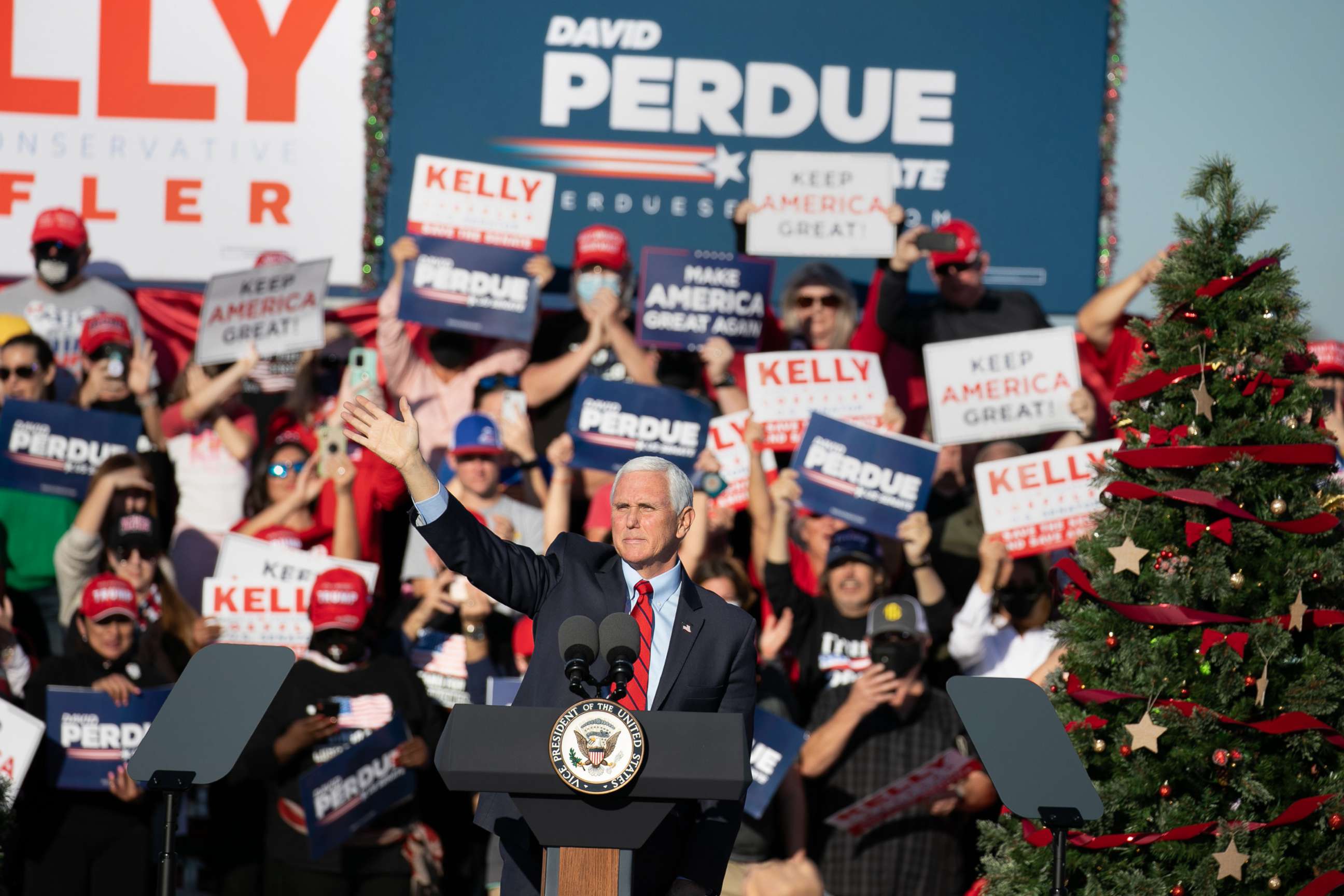
Vice President Mike Pence speaks to the crowd during a rally in support of Sen. David Purdue and Sen. Kelly Loeffler, Dec. 10, 2020 in Augusta, Ga.
Jessica McGowan/Getty Images, FILE

The sitting Georgia senators face Democratic challengers Jon Ossoff and Raphael Warnock for the Jan. 5 races, and early voting kicked off in the state this week. Warnock is appearing on ABC’s “The View” at 11 a.m. to discuss his candidacy. 

Vice President-elect Kamala Harrisand Biden, fresh off his own visit to Georgia to stump for those Democrats, are meeting with transition advisers Thursday as they prepare to unveil more Cabinet picks ahead of Christmas. The president-elect is expected to receive the coronavirus vaccine himself as soon as next week.
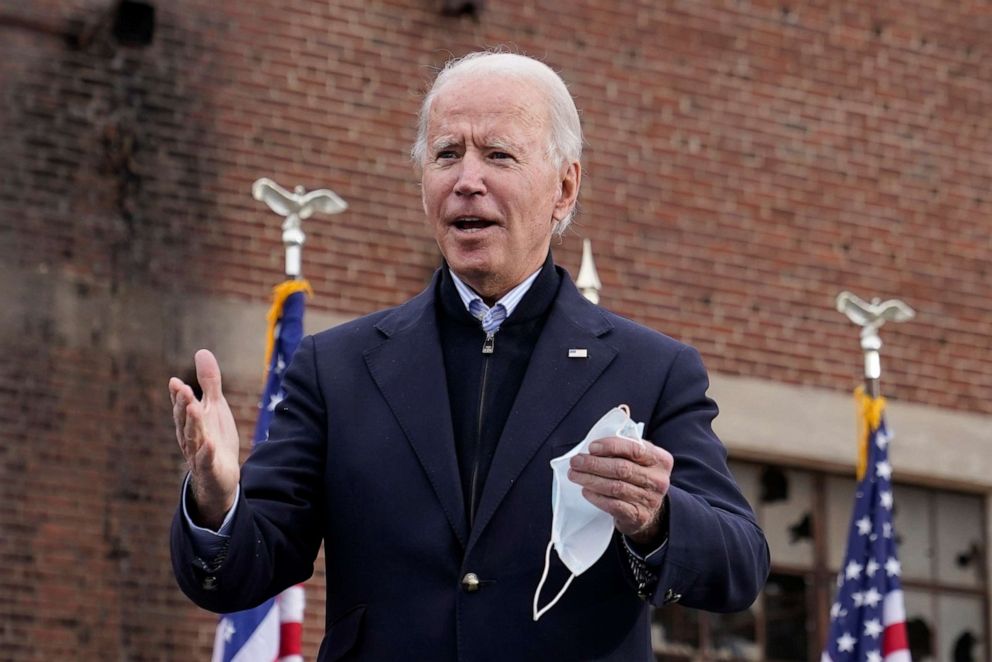
President-elect Joe Biden walks onstage to speak at a drive-in rally for Georgia Democratic candidates for Senate Raphael Warnock and Jon Ossoff, Dec. 15, 2020, in Atlanta
Patrick Semansky/AP

It's unclear when Trump will receive the vaccine. White House Press Secretary Kayleigh McEnany said Tuesday the president is "absolutely open" to taking it but is still protected by his Regeneron -- an antibody cocktail from his COVID-19 bout in October. She also said Trump is not taking it yet to "set an example" that health care workers and long-term care facility residents should get it first. 

On Capitol Hill, negotiations for another COVID-19 relief package continue ahead of lawmakers also facing a government spending deadline on Friday in order to avoid a shutdown. The $908 billion COVID-19 relief package is expected to include $300 per week in expanded federal unemployment benefits through March and a one-time check of $600 for millions of Americans below a certain income level. It would come as at least 20.6 million Americans head into the holidays unemployed.
Dec 16, 2020, 6:06 PM EST

Biden, Harris discuss COVID-19 response on Zoom call with governors

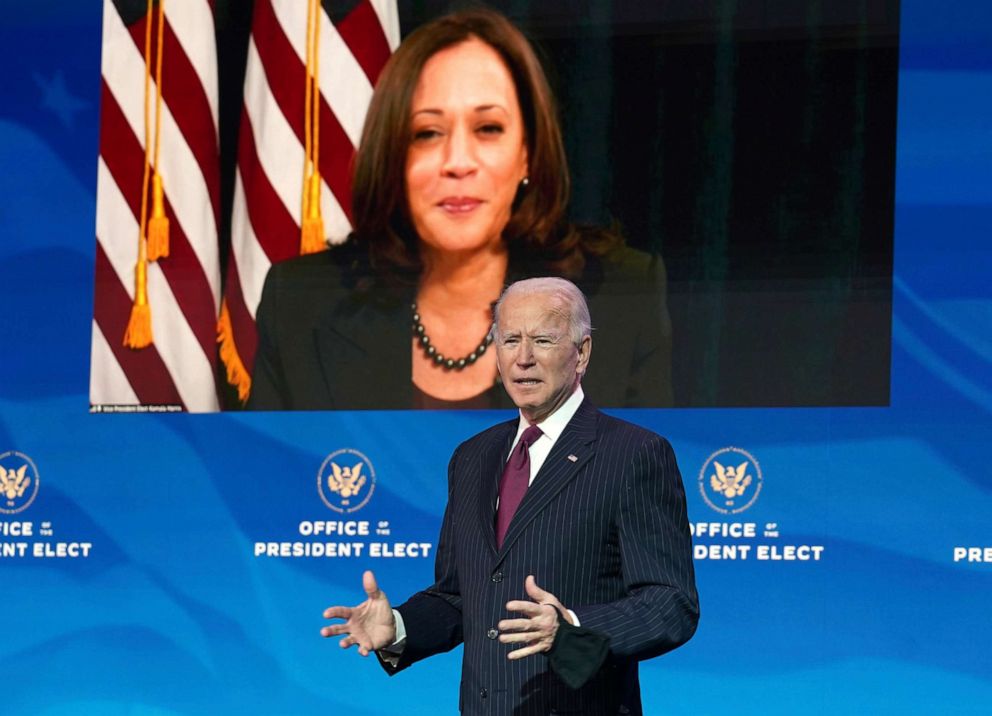
On a Zoom call with 28 governors, President-elect Joe Biden and Vice President-elect Kamala Harris discussed COVID-19 and how the federal government and states can work together to distribute the vaccine, according to pool reports.

Harris began the call by saying that as vice president, her door would always be open to governors. 

"When it comes to this pandemic, when it comes to economic recovery, when it comes to the issues that the American people care the most about, I think they really don't care whether we are Democrats or Republicans," she said. "What they do care about is that we are focused on meeting them where they are and providing solutions to the issues that wake them up in the middle of the night." 

Biden told governors that he and Harris were there to be partners with the governors.

"You know that little bad joke: 'We come from the federal government and we're here to help.' But we've got to get our act together federally," he said. "You guys are, and women are, really, you guys have been handling this with some help -- and very little help at the same time -- and for a long time now. And you've had to make the tough calls in what is an unprecedented crisis."

He said that the COVID-19 relief bill being finalized was not "likely" to deal with "the two contentious issues that I feel very strongly about -- state and local funding and the other having to deal with liability insurance liability."

President-elect Joe Biden speaks as Vice President-elect Kamala Harris looks on via video during a news conference at The Queen theater in Wilmington, Del., Dec. 16, 2020.
Kevin Lamarque/Pool via AP

Biden said he wants to work with governors on the "Herculean" task of "delivering safe, equitable and free vaccinations."

"It's going to take the federal government, and working with you guys, to decide what's the best way to do it," Biden added. "It's going to require us to be clear with the American people about what to expect through this massive public education campaign."

"This road is going to be long and it's going to be tough, but I want you to know, this is not a one-off meeting," he said.

Biden told governors he planned to ask people to wear masks for the next 100 days at his inauguration and that he would implement a mask mandate where he has the power to do so -- with federal workers and interstate travel. 

On schools, the president-elect said he wanted them to be able to reopen at the end of his first 100 days. 

"I'm going to ask -- and I know it's going to be controversial for some of you -- but I'm going to ask that we're going to be able to open schools at the end of a hundred days," he said. "That's going to take a lot of money, but we know how to do it."

Dec 16, 2020, 2:55 PM EST

Chairman over election 'irregularities' hearing acknowledges Biden as PEOTUS

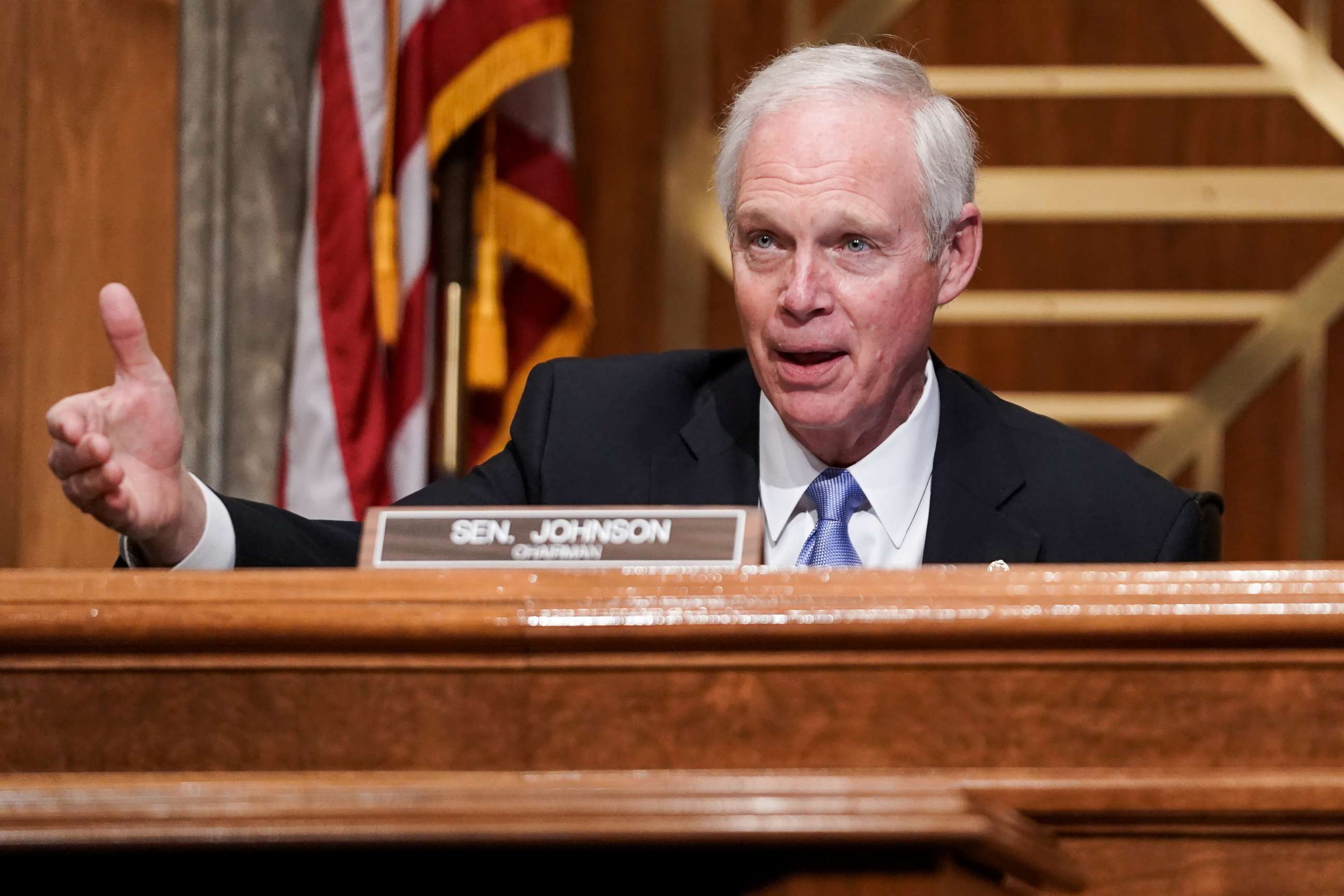
Sen. Ron Johnson, R-Minn., made clear Wednesday morning that he accepts Biden as the president-elect and that he will not challenge the Electoral College results in the Senate next month.

But that did not stop the senator from proceeding with his final hearing at the helm of the Senate Homeland Security aimed at examining "irregularities" in the 2020 election. 

Senate Homeland Security and Governmental Affairs Committee Chairman Ron Johnson speaks during a Senate Homeland Security & Governmental Affairs Committee hearing in Washington, DC., Dec. 16, 2020.
Greg Nash/Pool via Reuters

Johnson claimed the hearing, which Democrats have decried as lending credence to Trump's unfounded claims of election fraud, should "not be controversial". However, at least one Republican, Sen. Mitt Romney of Utah, declined to participate in the hearing, telling CNN Tuesday he did not believe it would be productive. 

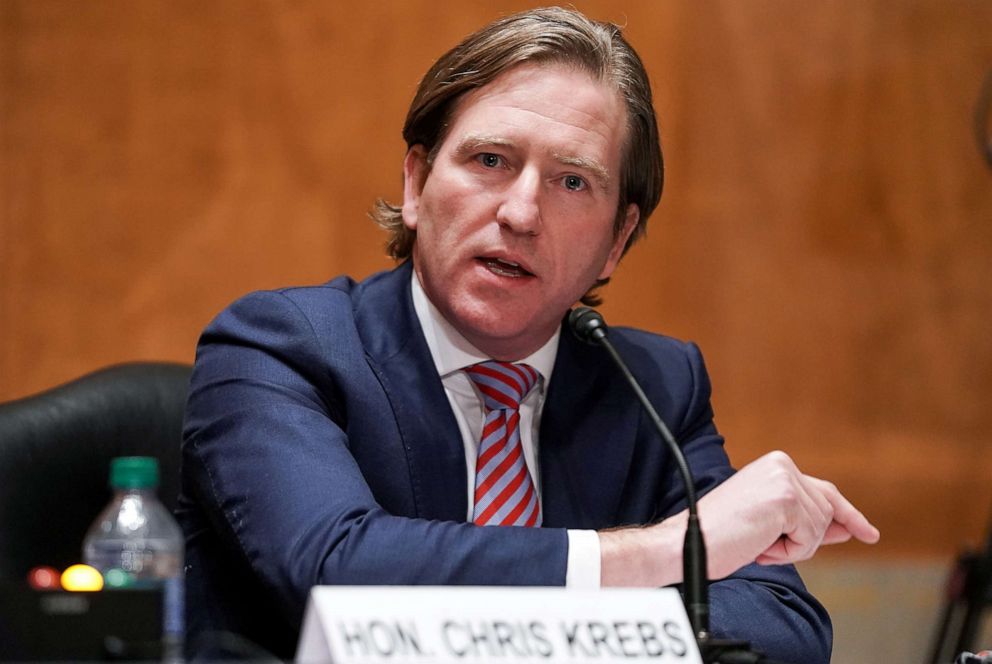
Trump had a morning Cabinet meeting on his public schedule but appeared to watch at least some of the Senate hearing and tweeted his grievances about witness Chris Krebs, the former head of the Department of Homeland Security's cybersecurity agency Trump fired last month after he publicly rebuked Trump’s baseless claims of election fraud. 

Krebs, in the hearing, stood by his previous remarks that the 2020 election was the most secure in American history and warned of the long-term term damage being inflicted on democracy when it's doubted.

Christopher Krebs, former director of the Cybersecurity and Infrastructure Security Agency, testifies during a Senate Homeland Security & Governmental Affairs Committee hearing in Washington, DC., Dec. 16, 2020.
Greg Nash/Pool via Reuters

"I think we are past the point where we need to be having a conversation about the outcome of this election," Krebs said, citing the electoral outcome. "Continued assaults on democracy and the outcome of this election only serves to undermine the confidence in the election, is ultimately corrosive to the institutions that support elections. Going forward it will be that much harder.”

-ABC News' Allison Pecorin

Dec 16, 2020, 1:52 PM EST

Biden to have small, State of the Union-sized audience for inauguration

The Joint Congressional Committee on Inaugural Ceremonies, tasked with organizing inauguration ceremonies on Capitol Hill, plans to dramatically limit the in-person audience this year due to the ongoing coronavirus pandemic, according to a memo sent to congressional offices Wednesday.  

"The JCCIC, in consultation with diversified public health and medical experts and the Presidential Inaugural Committee, has determined that this global pandemic and the rise in COVID-19 cases warranted a difficult decision to limit attendance at the 59th Inaugural Ceremonies to a live audience that resembles a State of the Union," the memo reads.

Under normal circumstances, roughly 200,000 tickets for the ceremonies are allotted and distributed to constituents by congressional offices.  

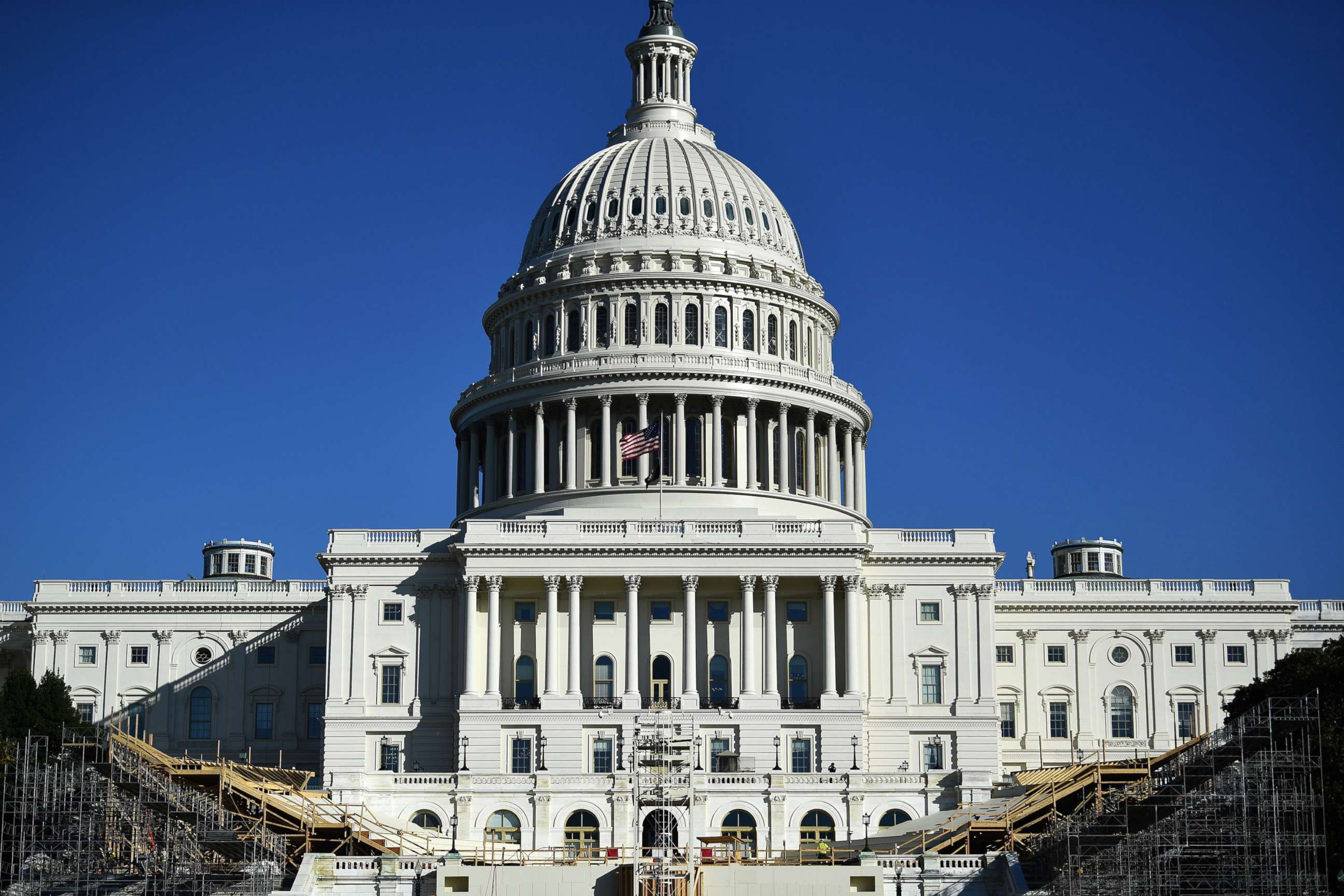
The presidential inaugural platform is under construction in front of the US Capitol on Nov. 9, 2020 on Capitol Hill in Washington, DC.
Brendan Smialowski/AFP via Getty Images

But next month, the event planned for the Capitol's West Front will only feature members of Congress, who are each permitted to invite a single guest -- for a total of about 1,070 people. 

That figure doesn't include dignitaries and attendees from other branches of the government, additional participants or members of the public who traditionally travel to the nation's capital for a spot farther down the Washington Mall. 

Biden's Presidential Inaugural Committee has already discouraged supporters from traveling to Washington, D.C., for the inauguration, inviting people to participate virtually instead. Capitol officials have also confirmed that they plan to implement coronavirus testing for everyone expected to come into close contact with Biden and Harris on Jan. 20.

-ABC News' Benjamin Siegel

Related Topics

Sponsored Content by Taboola