Overview: Biden builds Cabinet of firsts, Trump continues to challenge vote
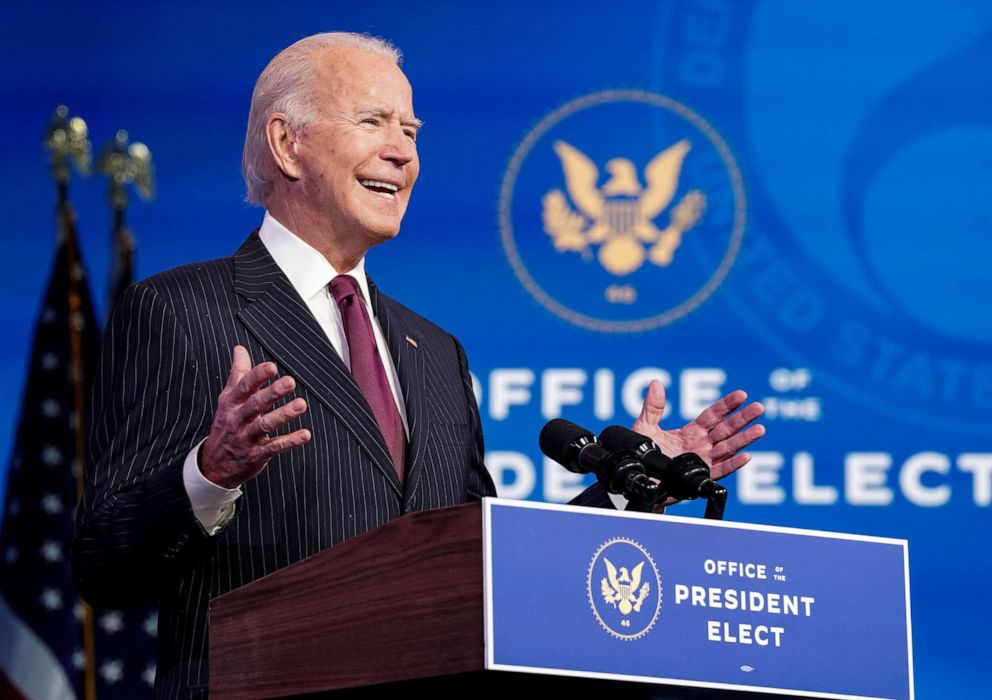
With about a month to go until the inauguration, Biden is continuing to meet with transition advisers and build out what he's calling a Cabinet "full of firsts."
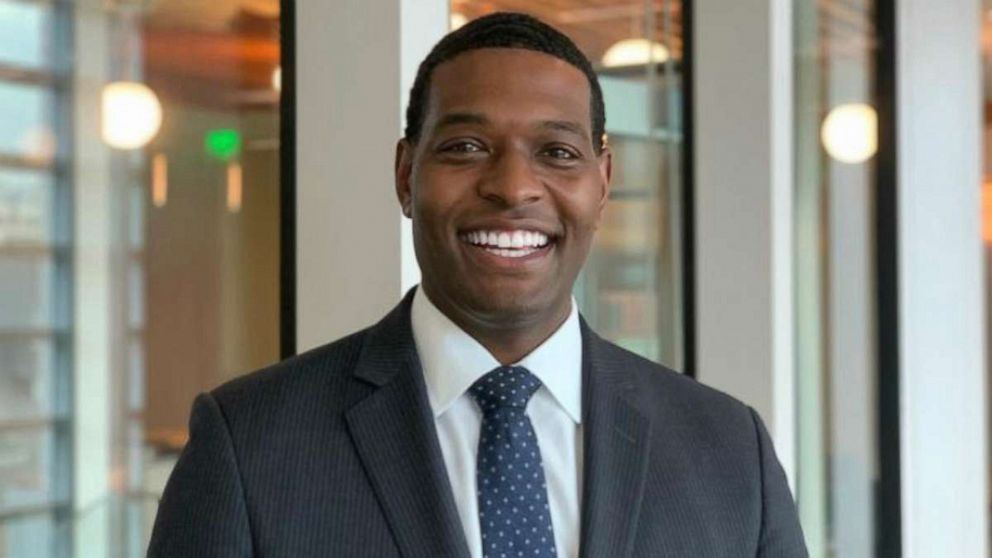
Biden officially announced new members of his climate team Thursday evening. New Mexico Rep. Deb Haaland was chosen for interior secretary and would be the first Native American Cabinet secretary, if confirmed. Michael Regan, current head of the North Carolina Department of Environmental Quality, was picked as EPA administrator and, if confirmed, would be the first Black man in the position. Michigan Gov. Jennifer Granholm rounded out the climate Cabinet posts with Biden nominating her as secretary of energy.
In addition to the Cabinet-level posts, Biden has also nominated Brenda Mallory to serve as chair of the Council on Environmental Quality. She would be the first African American to hold the position since its creation, if confirmed. Gina McCarthy was tapped to serve as the first-ever National Climate Advisor, heading up the newly formed White House Office of Domestic Climate Policy to “drive an “all of government” approach to combating climate change.” Along with McCarthy is Ali Zaidi, who helped draft the Obama administration's climate plan following the Paris Climate Agreement, to serve as deputy national climate adviser.
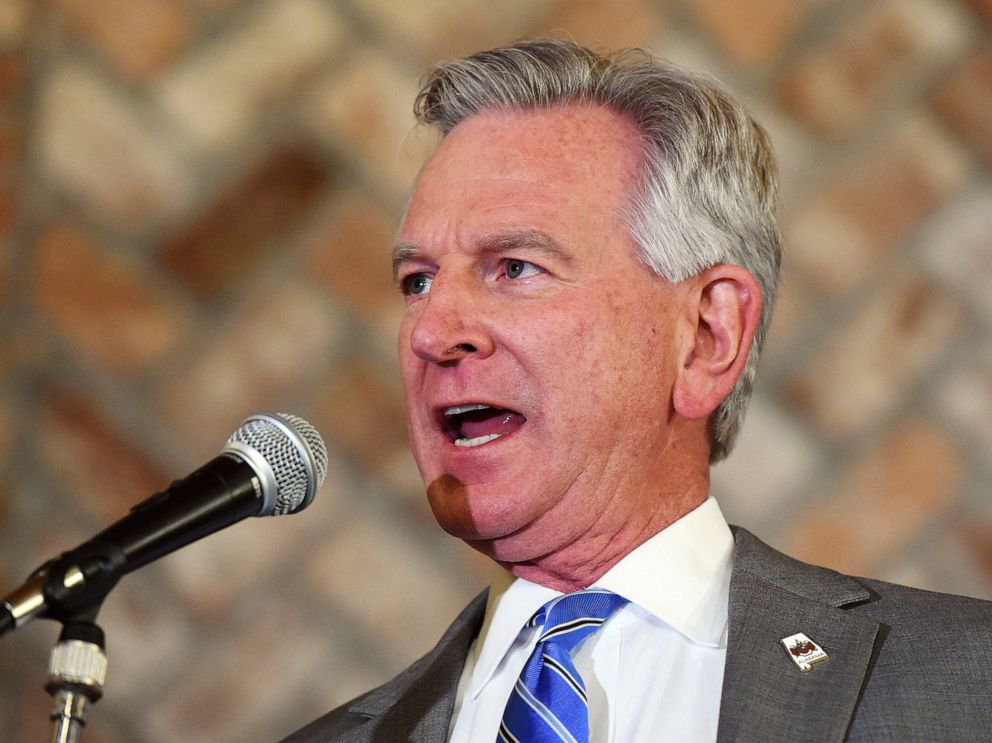
Trump, meanwhile, continues to challenge the vote behind closed doors, limiting his public appearances since the election. On Thursday evening, Trump praised incoming Alabama Sen. Tommy Tuberville, former Auburn football coach, after reports surfaced that the freshman lawmaker may join Alabama Rep. Mo Brooks’ Electoral College challenge, calling Tuberville “a great champion and man of courage.”
“More Republican Senators should follow his lead,” Trump tweeted.
Trump's pressure campaign on the GOP comes ahead of Congress convening a joint session to certify the election results on Jan. 6. The ceremonial proceeding, led every four years by the vice president, could represent Trump's last attempt to overturn his loss and disrupt the electoral process in protest.
Under federal law, a member can challenge the Electoral College results from any state if a member of the Senate backs the effort, forcing the House and Senate to separate for up to two hours of debate and a vote on whether to accept a slate of electors. A majority of both chambers would have to support the motion to successfully challenge a given slate of electors.
Trump, tagging Senate Majority Leader Mitch McConnell, on Friday tweeted at Republican Senators to "get tougher or you won’t have a Republican Party anymore."