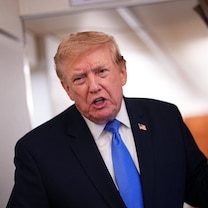
The speech is unlikely to notably move public opinion, which is worth noting as Trump’s net approval rating in 538’s tracker has declined to about zero. Using 538’s historical approval rating data, the average change in a president’s approval two weeks after a State of the Union or joint address is essentially zero going back to Jimmy Carter’s presidency. That’s not to say it can’t change: For instance, Biden’s approval rating improved by a couple of percentage points in 2024, from 38 percent to 40 percent. But that still amounted to a small swing, and Biden’s long-term trajectory did not change, either.
And this time around, Americans are more familiar with Trump, which could lead to less interest. For instance, ratings for his inauguration were down, with about 25 million viewers compared to 31 million in 2017 (Biden had 34 million in 2021). And outside of some current events-prompted spikes — the Monica Lewinsky scandal in 1998, the Iraq War in 2003 — presidents on average experience a drop-off in viewers as they make more addresses. While Trump’s return to office could prompt another jump in viewership, his 2020 address saw a notable drop to around 37 million viewers after his first three speeches had at least 45 million.
Most recently, Biden’s addresses saw relatively low viewership across the board, with his most-watched speech in 2022 clocking in at around 38 million viewers. That’s likely part of a broader shift away from television as a preferred news source: Pew Research found in 2024 that around 9 in 10 people under the age of 50 got their news from digital devices at least sometimes, while fewer than half said the same of television. Yet even if fewer people watch live, plenty more will read or hear about it afterward by consuming news and video clips — with the venue for that information depending in part on age. Moreover, because Americans are more likely to turn to news sources that align with their political views, the clips and opinions they see about the speech may be more likely to reinforce already-existing attitudes toward the president.
—Geoffrey Skelley, 538