Puerto Rico working with federal agencies on water crisis, governor says
Residents are facing rotating 48-hour water cut-offs and rationing.
Puerto Rico Gov. Jenniffer Gonzalez-Colon said on Sunday that authorities are working closely with federal agencies as they grapple with a water crisis that has left more than 180,000 households facing 48-hour water supply shuts-off and rationing.
Gonzalez-Colon declared a state of emergency in the U.S. territory on July 31 in response to serious drought and falling levels in water reservoirs. On Friday, authorities began implementing rotating 48-hour water shut-offs in parts of the capital San Juan, as well as neighborhoods in the cities of Carolina, Juncos, Gurabo, Trujillo Alto, Canovanas, and Loiza.
The governor told reporters during a press conference on Sunday that an "interagency support plan for municipalities" had been activated to coordinate assistance to the island's communities.
"Mayors have a direct liaison inside the government of Puerto Rico," Gonzalez-Colon said. "Each head of agency has the responsibility to maintain communication with that mayor, to understand the needs that arise, to channel urgent situations, to support the distribution of water trucks, and to facilitate coordination with the agencies that need to intervene."

The island's Public Housing Administration has begun installing community cisterns in different public housing complexes, the governor said, while portable water is also being distributed directly to residents with support from the Fire Department.
Puerto Rican authorities are working closely with the federal government in their response to the crisis, Gonzalez-Colon said. "We are combining a climate committee, actually a drought committee, with all the scientific people. The federal government is helping us out as well," she said in a press conference on Saturday.
"In the case of Puerto Rico, a few weeks ago was the hottest day in San Juan in 100 years," Gonzalez-Colon said on Saturday, and telling CNN that the island was also grappling with almost 1,000 fires across the island.
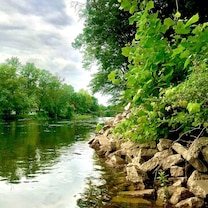

July was the driest month on record for San Juan in more than 120 years and the fourth hottest on record for the capital. The U.S. Drought Monitor said that as of Aug. 4, almost 25% of Puerto Rico was experiencing a severe drought and another 36% was under a moderate drought.
"This situation is out of our hands," Gonzalez-Colon said last week, blaming the severe weather for the shortages. "Nothing prevents this from worsening," the governor added.
Puerto Rico Resident Commissioner Pablo Jose Hernandez, meanwhile, last week urged Gonzalez-Colon to seek a federal emergency declaration from President Donald Trump. "Faced with the water crisis, Puerto Rico needs an immediate response," Hernandez wrote in a post to X.
Amid concern over disruption to the island's vital tourism and hospitality industry, the government-owned Puerto Rico Tourism Company said in a statement that it was "committed to our tourism industry, providing the necessary support to maintain the continuity of operations in our hostels and guarantee services to their guests."
"Water distribution continues in areas impacted by the scheduled interruption plan, supporting the continuity of services and the care of our visitors," it added.
ABC News' Ayanna Martinez contributed to this report.
Related Topics

Popular Reads
ABC News Live