Eviction crisis looms as millions rely on federal moratorium expiring this month
Black and Latino neighborhoods have seen twice as many evictions as white ones.
In the three years that Samantha Vernon lived in her rental apartment in Harrisburg, Pennsylvania, she never thought she’d be leaving because of an eviction.
The single mother of two who was forced out of her home last month is now living at her sister’s place. Half of her belongings were left behind during the eviction. The other half is being held in a storage unit, packed in trash bags.
“I had to put it in trash bags because they wanted me out so fast,” she told “Nightline.” I never would have thought this would happen to me -- never.”
An essential worker, Vernon has been working with the United States Postal Service in Harrisburg for three years. But over the summer, as the coronavirus continued to spread across the U.S., she chose to go on 12-week family leave in hopes of avoiding exposing her daughters to the virus after a union representative reported multiple coworkers had become ill.
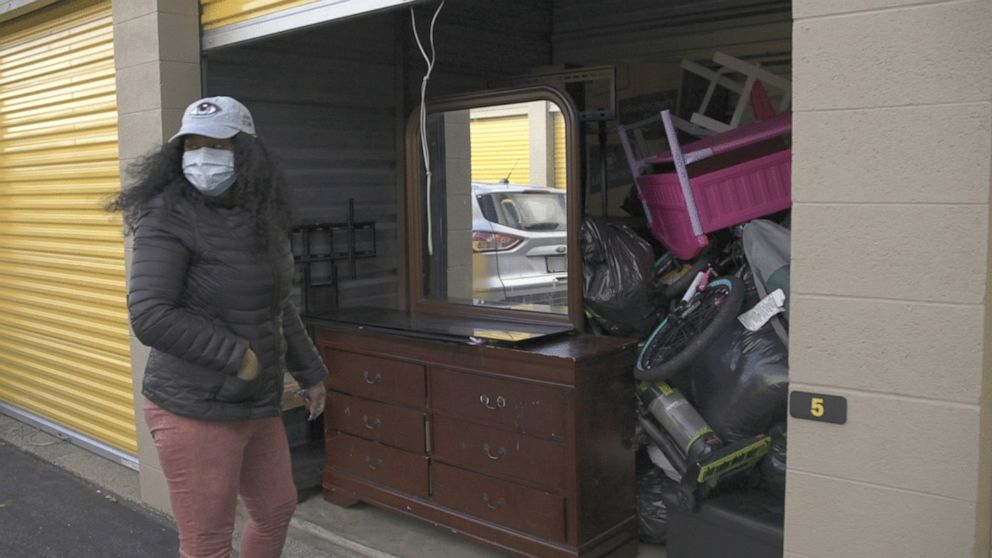
This meant she’d only be getting paid two-thirds of her normal salary, though, and soon after taking the leave, she began to fall behind on rent payments. She thought she’d be able to pay the money back.
Then, in September, her landlord sent her a complaint telling her that she owed roughly $2,000 in rent.
Vernon said she began paying off the money she owed immediately, sending $1,500 in rent owed throughout October. At a hearing in early October, a district judge ruled that Vernon could stay in her home so long as she was making payments.
But still, Vernon was evicted from her home on Nov. 5, when a Harrisburg marshal appeared at her door. She was only a few hundred dollars away from paying off the rent she owed.
“I said, ‘Well I have $900 now. … I can go get a money order and give it to you guys. Can I stay?’” Vernon said. “They specifically told me, they did not want my money. … I begged them. I said, ‘Listen, I don’t have nowhere else to go.’ They told me, ‘That’s not our problem. You have to go.’”
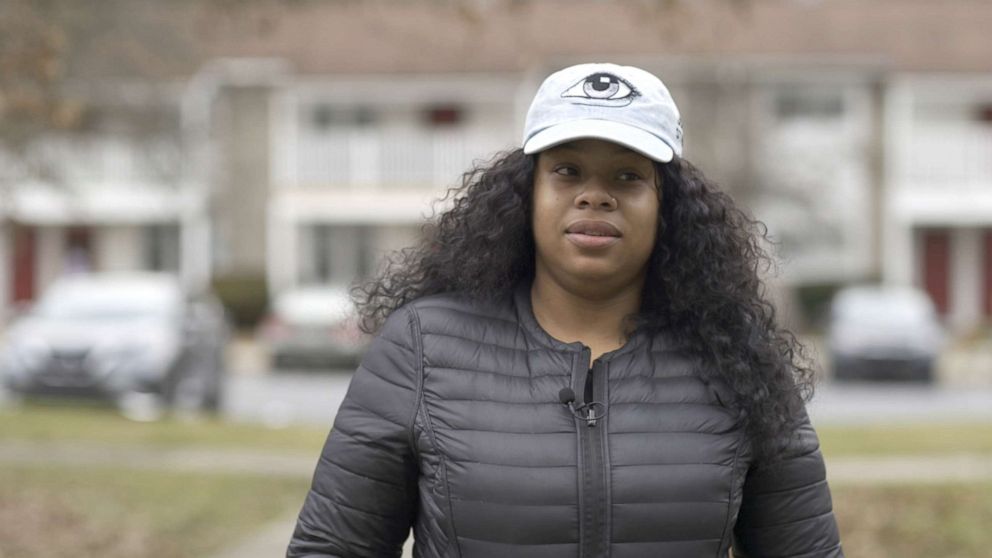
Vernon said she was given 15 minutes to leave. When she called the leasing office later that day, she said she had been told that if she’d called them the day before to tell them she had the money, everything would’ve been fine.
“I thought me giving them their money was communicating,” she said. “But I guess that wasn’t enough for them.”
In a statement to ABC News, the complex’s management company said, in part, that it “complies with all state and federal landlord-tenant laws, and all orders and statutes enacted in response to COVID-19.” In Vernon’s case, it said that “a hearing was held in landlord-tenant court” and that “the court ordered the eviction.”
Vernon is one of the thousands of Americans who’ve been evicted from their homes during the pandemic, and millions more are facing a similar fate come the end of the year: With nearly 10 million fewer jobs in the U.S. than there were in March, an estimated 6.7 million renter households -- about 19 million people -- are currently unable to pay their rent, according to the nonprofit National Low Income Housing Coalition.
“The United States is facing the greatest eviction crisis we have ever seen in our country’s history,” said Emily Benfer, a law professor at Wake Forest University School of Law. “Renters are stretched threadbare. They are paying for rent with their food budgets. There’s been an increase in food pantry requests as much as 2,000% in some states.”
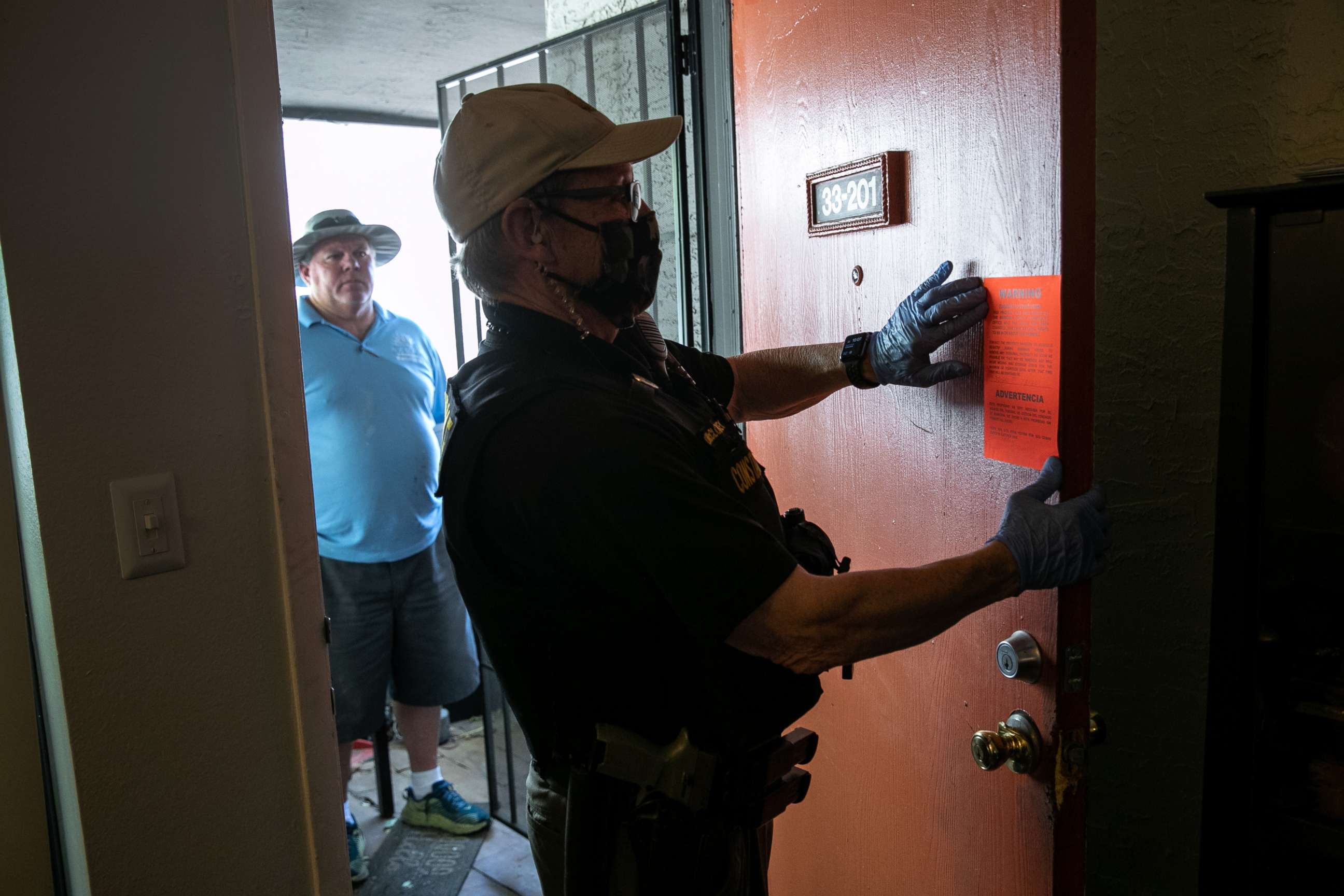
Despite a temporary federal eviction moratorium from the Centers for Disease Control and Prevention (CDC) lasting until Dec. 31, in the last week of November, landlords throughout 27 cities filed 3,000 evictions.
The CDC’s emergency order may have been able to save Vernon from losing her home. The order supersedes state eviction rules and is meant to prevent the spread of COVID-19 through homelessness and overcrowded homes.
“When an eviction occurs, families end up doubling up, or they’re transient. They’re surfing from couch to couch or staying with friends and family,” Benfer said. “And this increases their contact with others and it decreases their ability to comply with the CDC’s pandemic mitigation strategies, like self-quarantine and social distancing.”
Of the 44 states that implemented eviction moratoriums since March, 27 lifted them before September, resulting in an estimated 433,700 excess COVID-19 cases and 10,700 excess deaths, according to a recent study.
To qualify for the CDC protection, tenants must earn less than $99,000 a year as an individual -- $198,000 for married couples -- and they must also show that they’ve asked for governmental rental assistance, declare that the pandemic has created financial hardship and indicate that they’d be homeless if they’re evicted.
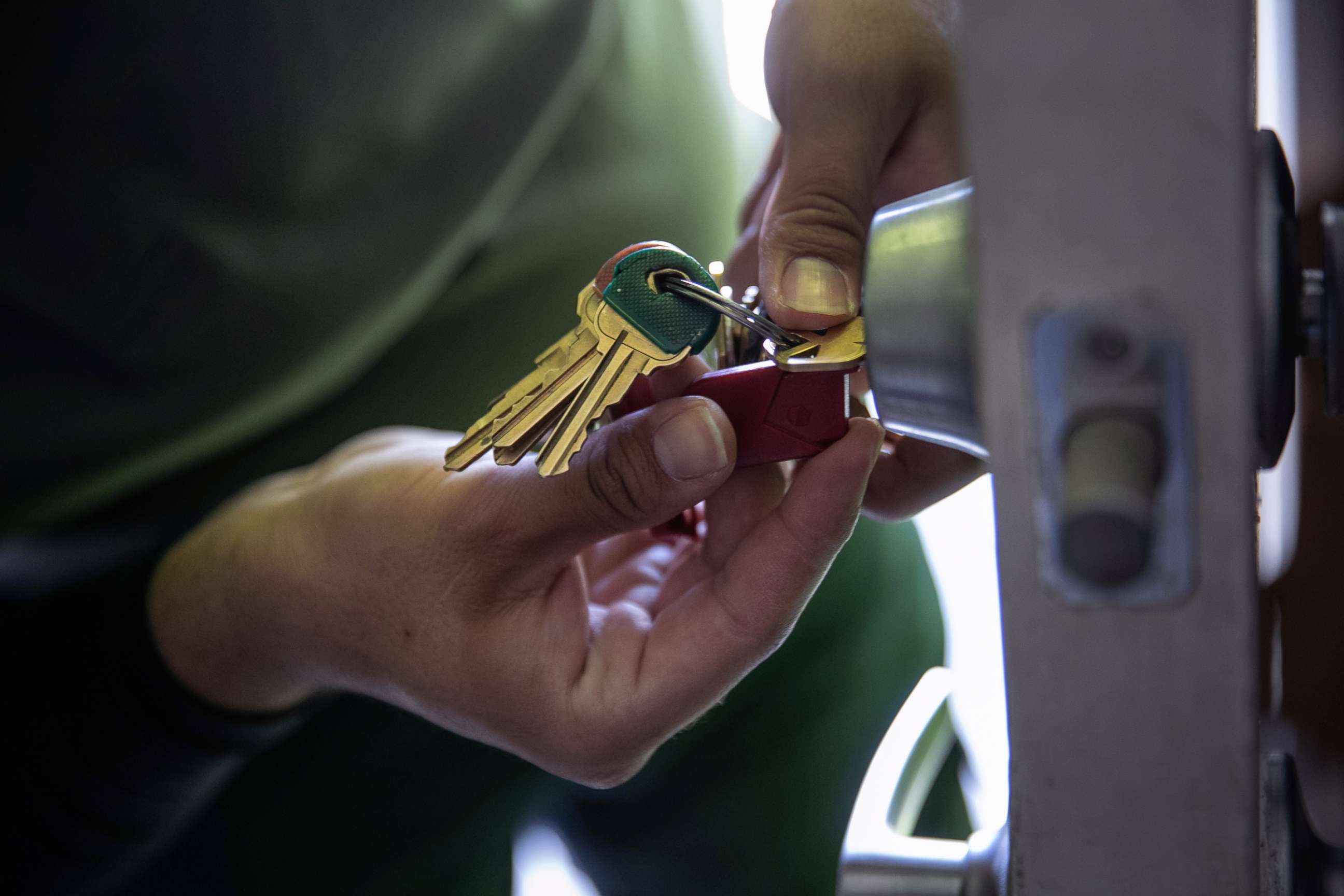
Vernon, who admitted to making mistakes, like missing a court hearing, found out about the CDC’s protection too late. Now that she’s living with her sister, she’s entered into the exact situation that the order was intended to prevent.
“My 11-year-old, she’s upset. She doesn’t have her room anymore. She doesn’t have space,” Vernon said. “She likes to be alone right now. She’s at that age, and she can’t really do it right now.”
The eviction has also stained Vernon’s history as a tenant, making it difficult to pass a renter background check and find another home of her own. She says she’s applied to rent about 12 apartments and all of the applications have been declined.
“The application fees is about $50, $40, $30. So I spent over $200 on application fees and I got denied,” she said.



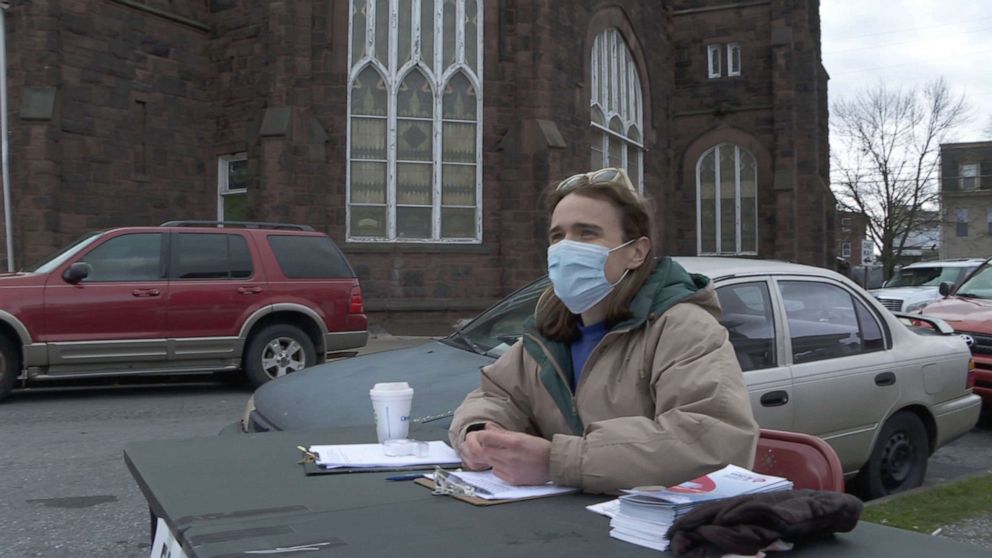
Caleb Cossick is a housing advocate with Greater Harrisburg Tenants United who tries to help people like Vernon before they enter the courthouse for their eviction hearings. He stands outside handing out print-outs of the CDC’s declaration and letting tenants know about the order, which landlords aren’t required to do.

Cossick says that in addition to not telling their tenants about the CDC moratorium, some are also finding loopholes to avoid it entirely.
“One of the biggest issues is the clause that states it only covers cases of nonpayment of rent,” he said. “So, landlords can say that the lease is expired, the lease is terminated, [that] there was some violation of the lease. They can claim fraud for any sort of thing, honestly, and when they do that, they can sue for possession.”
He also says that interpretation of the CDC order is left to judges to interpret, posing other challenges to tenants.
“In a lot of cases, they side with the landlords almost across the board, and they don’t show a lot of sympathy. They don’t seem too interested in the idea of limiting the way eviction is processed due to COVID-19,” he said.
Each week, Cossick says the number of people seeking help rises and that the majority of his clients are single mothers of color. An ABC News analysis found that during the pandemic, the rate of evictions in majority Black and Latino neighborhoods has been twice that of mostly white neighborhoods, even as COVID-19 affects minorities disproportionately.
In Houston, Constable Alan Rosen is responsible for enforcing evictions around the city. He says it’s the “absolute” worst part of his job and that seeing a family going through an eviction “brings it so much further home.”
“I have children. I have a family. … and if I could house them in my house, I would,” he said.
The wave of evictions has led Rosen to raise money to start an eviction clinic where those at risk of losing their homes can seek legal help. So many tenants, he says, never could have seen themselves facing eviction.

He says that landlords and tenants should be working together if the tenant has a history of paying on time.
“I can’t tell you how many landlords that the courts ask … ‘Has this tenant ever not paid their rent in the whole time they’ve been living in your apartment complex,’” he said. “And they said, ‘No, they’ve always paid their rent on time and they’ve always been good tenants.’ Work with them. Do everything you can to help that person. This is not somebody that doesn’t want to pay their rent.”
Melissa Flores is one such person seeking help for the first time. The single mother works as a housecleaner in Houston but has been unable to find work during the pandemic, making it difficult to pay her $920 per month rent.
“I’ve never been in this situation ever before in my life,” she said. “I’ve never had to come out to ask for help -- never. I’ve always made it through everything. Struggled a little, but I made it.”
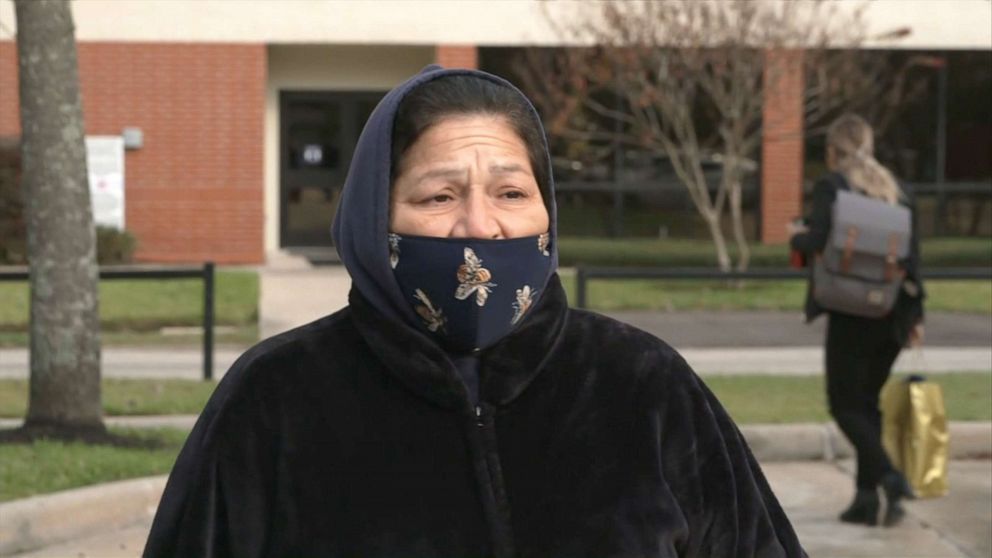
Rosen’s clinic helped Flores invoke the CDC order, thereby avoiding an eviction -- for now, at least. The CDC’s order will expire on Dec. 31.
As tenants struggle to pay their rent, landlords are also facing financial hardships. Many still have a variety of expenses for the properties they own, including mortgage, property taxes, insurance and repairs, according to Catherine Burnett, associate dean for experiential education at South Texas College of Law.
“It’s a big problem, and it’s a problem that impacts the renters and the landlords as well,” Burnett said. “Right now, we’re helping the tenants with the CDC declaration but I think as a society we have to think, ‘What’s the impact on the mom and pop who have three or four rental properties, and that’s how they’re funding their retirement?’ They’re people, too.”
Caleb Kruckenberg, a lawyer with the New Civil Liberties Alliance, is representing several landlords who’ve sued the government over the CDC order.
“The CDC can’t go in and say, ‘We have picked a winner and a loser and tenants don’t have to pay any more, and landlords have to provide free housing,’” he said. “The CDC just does not have that authority.”
The New Civil Liberties Alliance works to stop what it says is government overreach. With regard to the CDC order, Kruckenberg says the federal government is overreaching when it locks landlords out of their states’ eviction processes and imposes fines on those that don’t comply.
“We need to follow the rules that the Constitution set, and the CDC doesn’t get to make this very difficult decision about what to do with housing policy,” he said. “The CDC is a public health organization. They’re not a housing policy organization. They’re not Congress. That is the structure that the Constitution envisioned and that’s why this lawsuit is so important.
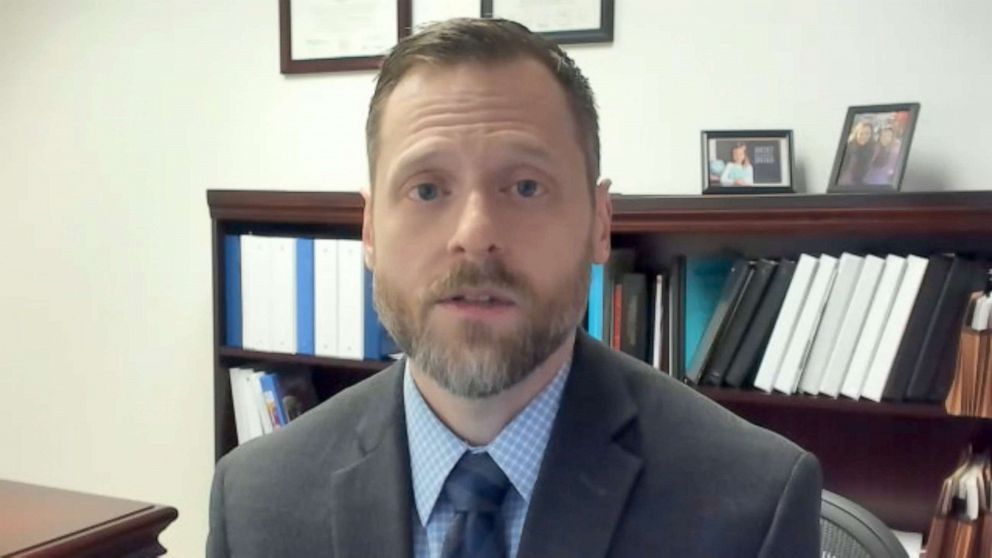
Kruckenberg said that once the CDC order ends in December, he expects there to be “a lot of action in housing courts across the country” as a wave of eviction lawsuits hits the system.
By January, there will be an estimated $34 billion in back-owed rent, according to the National Council of State Housing Agencies.
“The likelihood of tenants being able to pay that back to a property owner without federal rent relief is very unlikely … and this is one of the reasons why we need relief from Congress as quickly as possible,” Benfer said.
When the CDC order expires in the new year, Benfer said “millions upon millions of individuals and children will face eviction. They will face the health harms that it causes, they will be threatened with COVID-19 contraction and death, perhaps, and they will also be hard-pressed to recover. Eviction is a jagged slide with no ladder back up, and this is something that our country will be recovering from for generations to come.”

Popular Reads
ABC News Live